Chinese New Year 2027 falls on Saturday 6 February, opening the Year of the Goat. At the time of writing, the official 2027 public-holiday schedule had not yet been published, so exact closure dates may still change.
Why it disrupts the supply chain
- Factories often close for two to four weeks, far longer than the official holiday.
- Everyone ships before the break: capacity tightens and rates rise.
- Carriers cancel sailings during and just after the holiday.
- The restart is gradual and quality risk increases with new workers.
Recommended timeline
| When | Action |
|---|---|
| Mid-November 2026 | Confirm orders needed before the holiday. |
| Early January 2027 | Book freight: 3–4 weeks ahead for sea, 2 weeks for air. |
| Mid-January 2027 | Last pickups; deliver to our warehouse for consolidation. |
| 6 February 2027 | Chinese New Year: factories closed. |
| Late February – March 2027 | Gradual restart; reinforce inspections. |
Use the warehouse as a buffer
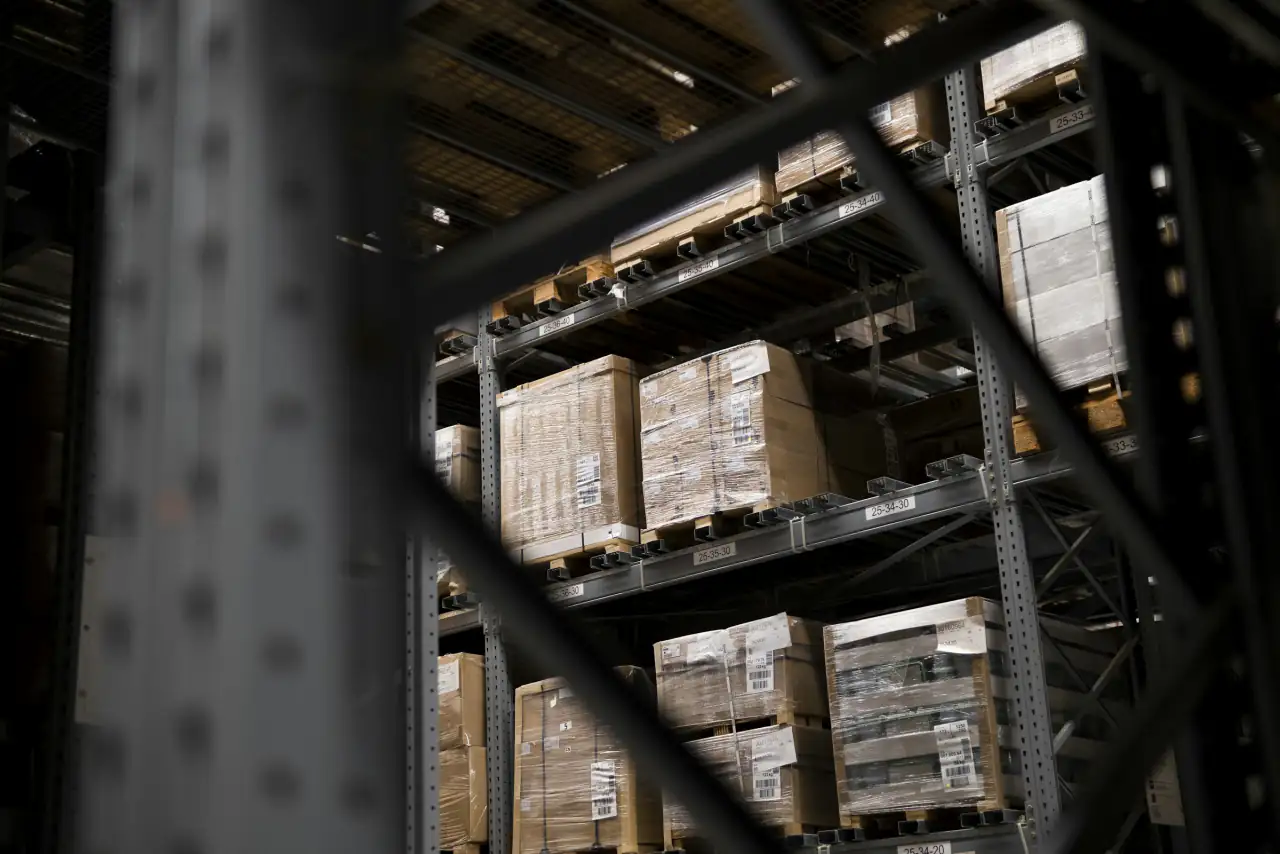
Have suppliers deliver to our China warehouse before they close: the first 30 days of storage are free, and goods ship consolidated as soon as capacity allows. If time is short, rail saves two to three weeks over sea and air more than a month.
Checklist
- Get each supplier’s closing and reopening dates in writing.
- Bring forward fast-moving items and build safety stock.
- Book freight early with a back-up option for critical items.
- Inspect before departure, and again on the first post-holiday production.
Frequently asked questions
How long do factories close?
The official holiday lasts about a week, but many factories close for two to four weeks in total, including workers’ travel home and back.
Is rail a good alternative?
Yes for shipments that cannot wait: two to three weeks faster than sea, at a far lower cost than air.
Get your pre-holiday shipments ready nowBook your space: we will confirm the last available departures.