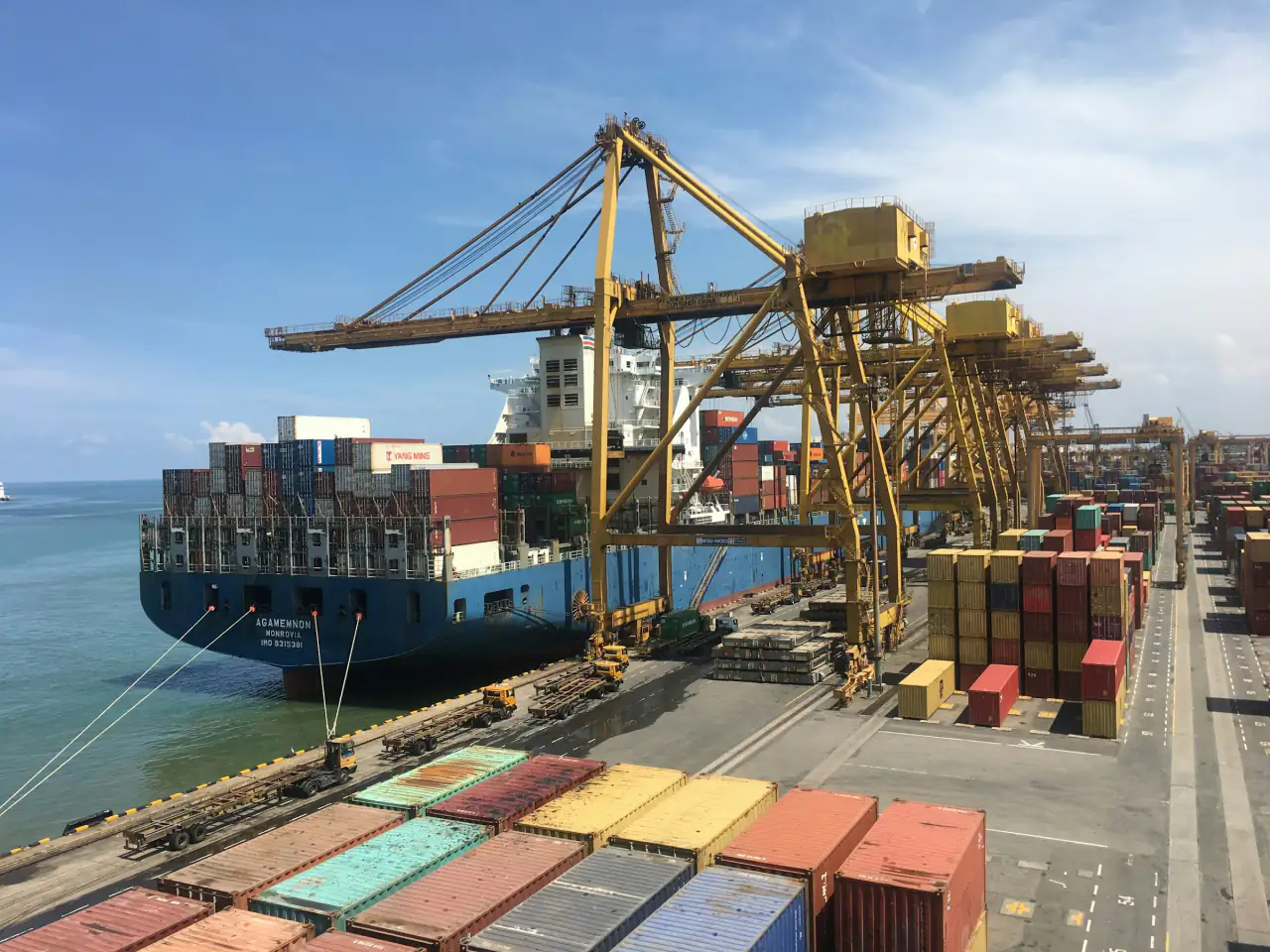
Under EU law the importer is an economic operator with its own obligations. Non-compliant products can be held at customs, withdrawn from the market or delisted by marketplaces.
CE marking
Only products covered by EU harmonisation legislation need CE marking — for example the Low Voltage Directive 2014/35/EU, the EMC Directive 2014/30/EU, the Radio Equipment Directive 2014/53/EU, the Toy Safety Directive 2009/48/EC and RoHS 2011/65/EU. The manufacturer assesses conformity and signs the EU declaration of conformity; the importer checks this was done and keeps the documentation available, usually for 10 years.
GPSR
Since 13 December 2024, Regulation (EU) 2023/988 applies to all non-food consumer products. An EU-based economic operator must be responsible for safety; products must carry an identifier and the manufacturer’s and importer’s contact details; online listings must show this information and safety warnings.
Other rules and French specifics
- REACH chemicals restrictions, the Batteries Regulation (EU) 2023/1542 and food-contact materials rules.
- In France: instructions and warnings in French, the Triman sorting logo and extended producer responsibility registration.
Checklist before shipping from China
- Identify the rules that apply to your product.
- Get the EU declaration of conformity and test reports for the exact model.
- Use an accredited lab if in doubt.
- Check markings, identifiers and contact details on product and packaging.
- Verify all of this during the pre-shipment inspection.
A generic “CE certificate” sent by a supplier is not enough: it must be a declaration of conformity or test report for the exact model, against the applicable standards.